
Last updated on at 10:59 am
More than two hundred years after it was first published, Pride and Prejudice by Jane Austen is still everywhere. Book clubs read it. Students study it. Romance readers adore it. Cozy readers reread it. New TV and film adaptations keep appearing. Quotes from Mr. Darcy float endlessly around the internet.
This post may contain affiliate links that may earn us a commission, at no additional cost to you, if you buy via them. As an Amazon Associate, I earn from qualifying purchases. Please see our Disclosure for more info.
So what is it about this novel that keeps pulling people back in?
Why is Pride and Prejudice still so popular?
The answer is not just “because it is a classic.” Plenty of classics exist that people admire but rarely reread. Pride and Prejudice is different. People actually enjoy spending time in this story, me included.
Here is why this book continues to feel alive, relatable, and deeply lovable.
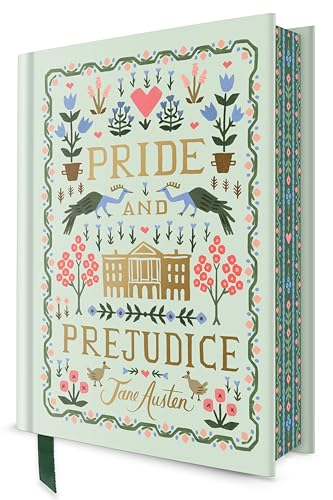

It has a heroine people genuinely connect with
Elizabeth Bennet is one of the biggest reasons the novel still works so well.
She is observant, witty, playful, occasionally wrong, and very human. She loves to laugh. She gets irritated. She forms opinions quickly. She defends her family. She makes mistakes and then has the emotional maturity to face them.
Elizabeth is not written as a perfect woman. She is written as a believable one.
Readers see themselves in her. Her embarrassment. Her pride. Her confidence. Her blind spots. Her slow realization that she has misunderstood someone.
That emotional recognition keeps new generations attached to her. Elizabeth feels like a friend you could sit beside and talk to, not a distant literary figure.
The romance is built on growth, not instant attraction
One of the most powerful reasons Pride and Prejudice stays popular is that the love story develops through personal change.
Elizabeth and Darcy do not simply fall in love. They learn. They reflect. They confront uncomfortable truths about themselves. They adjust their behavior.
Darcy becomes humbler and more considerate. Elizabeth becomes more self-aware and more willing to question her judgments.
Their relationship grows out of that process.
Readers find this deeply satisfying because it feels earned. The emotional payoff at the end works because the characters have truly changed. The romance becomes a result of maturity rather than a random event.
This kind of storytelling never goes out of style because people never stop caring about emotional growth.
Jane Austen’s humor still lands
Many people are surprised by how funny Pride and Prejudice actually is.
Jane Austen had a sharp eye for social behavior and a talent for gentle mockery. She wrote characters who feel amusingly familiar.
Mrs. Bennet’s dramatics.
Mr. Collins’ social climbing and lack of self-awareness.
Lady Catherine’s sense of entitlement.
The awkwardness of formal visits and forced politeness.
The humor is rooted in personality and observation, which is why it still works. Even though society has changed, human behavior has not changed nearly as much.
Readers recognize these types of people. That recognition makes the novel entertaining rather than heavy.
The themes are permanently relevant
At its heart, Pride and Prejudice explores how people misunderstand one another.
It looks at first impressions.
Social assumptions.
Pride.
Reputation.
Emotional blind spots.
The slow work of reevaluating what we believe.
These are not historical issues. They are daily human experiences.
Most readers have misjudged someone. Most readers have felt embarrassed by a past opinion. Most readers have realized that confidence and correctness are not always the same thing.
Because the emotional struggles are timeless, the story never feels locked in the past.
The setting offers comfort and escapism
Another reason the novel remains popular is the atmosphere.
Country walks.
Drawing rooms.
Handwritten letters.
Small gatherings.
Family homes.
Social rituals.
The world of Pride and Prejudice feels contained, intimate, and gentle. Even the conflicts stay focused on relationships, manners, and emotional stakes rather than violence or spectacle.
For many readers, this makes the book comforting. It offers escape without chaos. Drama without overwhelm. Romance without emotional exhaustion.
It is the kind of story people return to when they want something familiar, warm, and emotionally safe.
Mr. Darcy’s character arc is deeply satisfying
Mr. Darcy remains one of literature’s most enduring romantic figures for a reason.
His appeal is not rooted in charm. It is rooted in change.
He begins as reserved, socially awkward, and excessively proud. He ends as someone more generous, open, and thoughtful. Importantly, he does not change through grand speeches. He changes through action.
He listens.
He reflects.
He corrects his behavior.
He makes amends quietly.
Readers respond strongly to this because it feels authentic. Growth is rarely loud. It is usually uncomfortable, gradual, and private.
Darcy’s transformation gives the romance emotional credibility, which keeps readers invested.
📌 Pin to Save 📌
It rewards rereading
One reason Pride and Prejudice continues to attract readers is that it becomes richer each time.
On a first read, people often focus on the romance.
On later reads, they notice the humor more. The social commentary. The foreshadowing. The subtle emotional shifts. The clever construction of misunderstandings.
The novel supports different types of enjoyment. Comfort reading. Romantic reading. Analytical reading. Emotional reading.
Books that offer this many layers tend to survive long after trend-driven stories fade.
It keeps finding new audiences
Every generation discovers Pride and Prejudice in a slightly different way.
Some meet it through school.
Some through films and series.
Some through romance novels inspired by Austen.
Some through cozy reading lists.
Because the story adapts well across formats, it continues to reach people who might never pick up a classic on their own.
Each new adaptation renews interest. Each new reader brings the story forward again.
That constant rediscovery keeps the novel culturally alive rather than historically preserved.
So why is Pride and Prejudice still so popular?
Because it understands people.
It understands pride.
It understands misjudgment.
It understands attraction.
It understands embarrassment.
It understands emotional growth.
It offers humor, romance, comfort, and insight without becoming heavy or distant.
Readers do not just admire this book. They enjoy being inside it.
And that enjoyment, more than age, reputation, or academic praise, is what truly makes a story timeless.
Follow me on:





Leave a Reply